October 16, 2026
Healthy trees provide shade, improve curb appeal, support local wildlife, and contribute to a property's overall appearance. However, maintaining trees requires more than occasional watering or removing dead branches. Trees are living organisms that can develop diseases, suffer storm damage, and become hazardous as they grow. Proper maintenance helps preserve their health while reducing potential risks to people and surrounding structures. For homeowners and commercial property owners, working with experienced tree care companies can make maintaining these valuable landscape features much easier. Professional knowledge, specialized equipment, and appropriate maintenance practices help ensure trees remain healthy, attractive, and safe throughout the year.
What Services Do Tree Care Companies Provide?
Tree maintenance involves several specialized services designed to address different needs. Depending on the condition of the trees and the property's landscape, professional providers can recommend appropriate treatments and maintenance schedules.
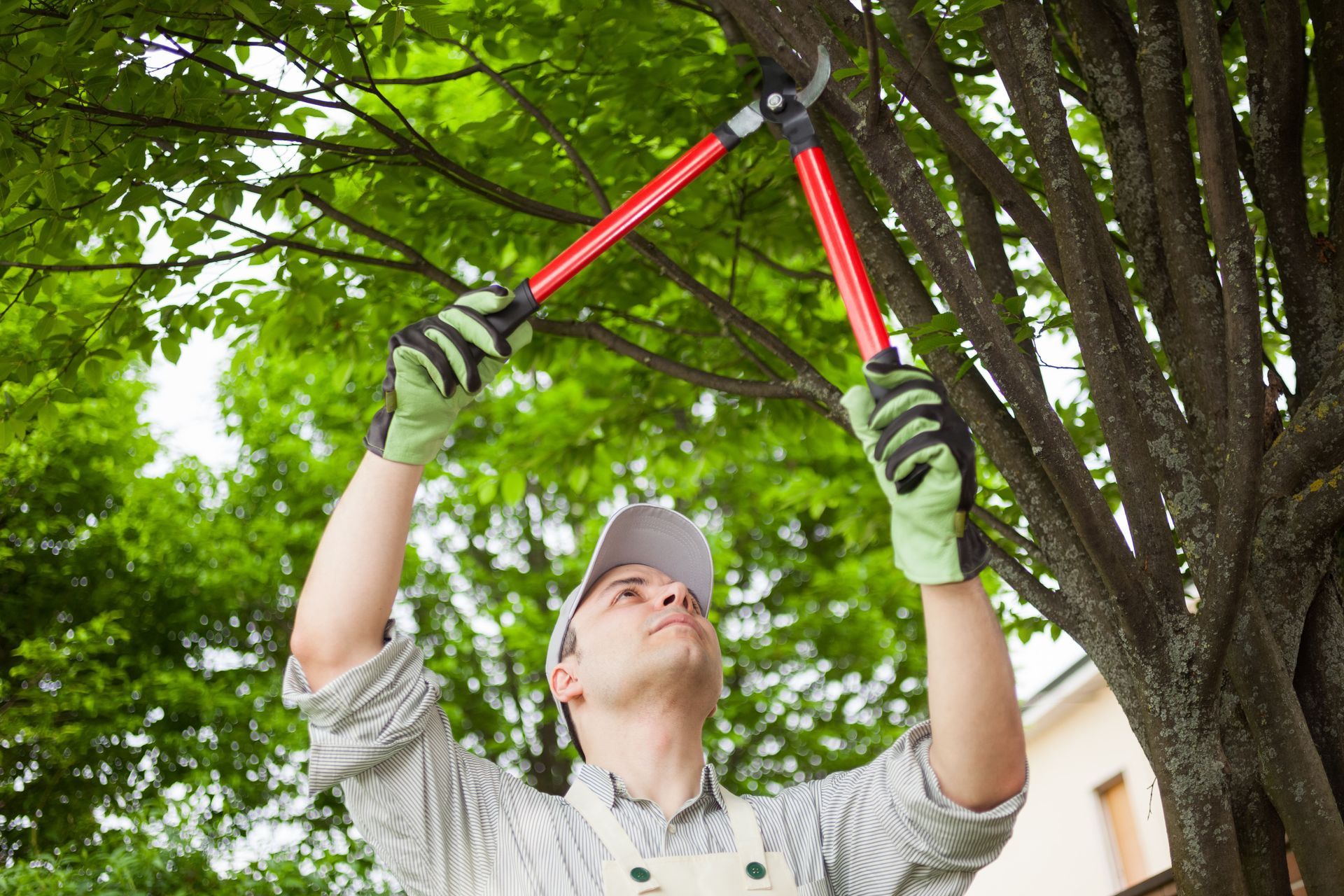
Pruning is one of the most common services. It involves selectively removing branches to improve a tree's structure, eliminate dead or damaged growth, and reduce interference with buildings, walkways, and utility lines. Proper pruning can also improve air circulation through the canopy and help young trees develop stronger branch structures. However, removing too much growth or making improper cuts can damage a tree, making professional techniques important.
Tree removal is another service available when a tree becomes hazardous, severely diseased, structurally compromised, or unsuitable for its location. Removing a large tree requires careful planning, particularly when it stands near homes, fences, driveways, or other obstacles. Professionals can assess the situation and determine the safest removal method.
Many tree care companies also provide plant health care services, including disease identification, pest management, soil assessments, and treatments for nutrient deficiencies. Some providers offer stump grinding, emergency storm cleanup, and tree planting as well. These services address immediate concerns while helping property owners establish healthier landscapes over time.
How Do Tree Care Companies Ensure Safety?
Tree work can involve substantial physical hazards. Workers may operate chainsaws at considerable heights, handle heavy branches, or use equipment near buildings and electrical infrastructure. Without appropriate training and safety procedures, these activities can result in serious injuries and property damage.
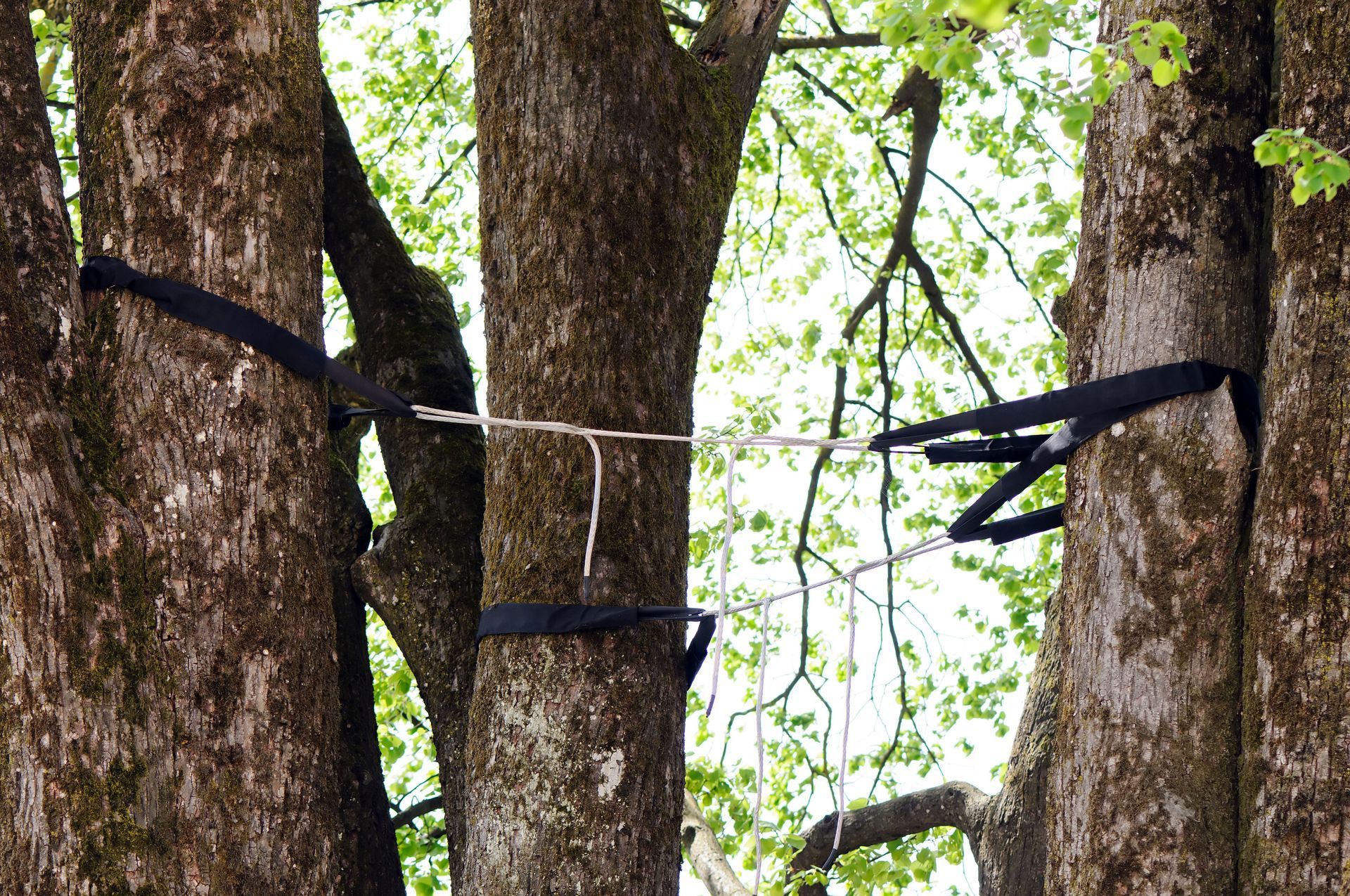
Experienced professionals begin by assessing the work area. They identify unstable branches, potential falling hazards, nearby structures, and obstacles that could interfere with equipment. For larger projects, workers establish controlled drop zones and determine how branches and trunk sections can be lowered safely. Appropriate equipment, including helmets, eye protection, protective clothing, climbing gear, and specialized lifting systems, helps reduce exposure to common hazards.
Training is equally important. Qualified crews understand proper cutting techniques, equipment operation, and emergency procedures. They also recognize situations requiring additional precautions, such as trees leaning toward occupied buildings or branches entangled with power lines. Work involving electrical hazards may require coordination with the appropriate utility professionals.
When evaluating
tree care companies, property owners should ask about insurance coverage, employee training, and safety practices. Verifying liability insurance and workers' compensation coverage, where applicable, can help reduce financial exposure if an accident occurs.
Why Is Expertise Important in Tree Care?
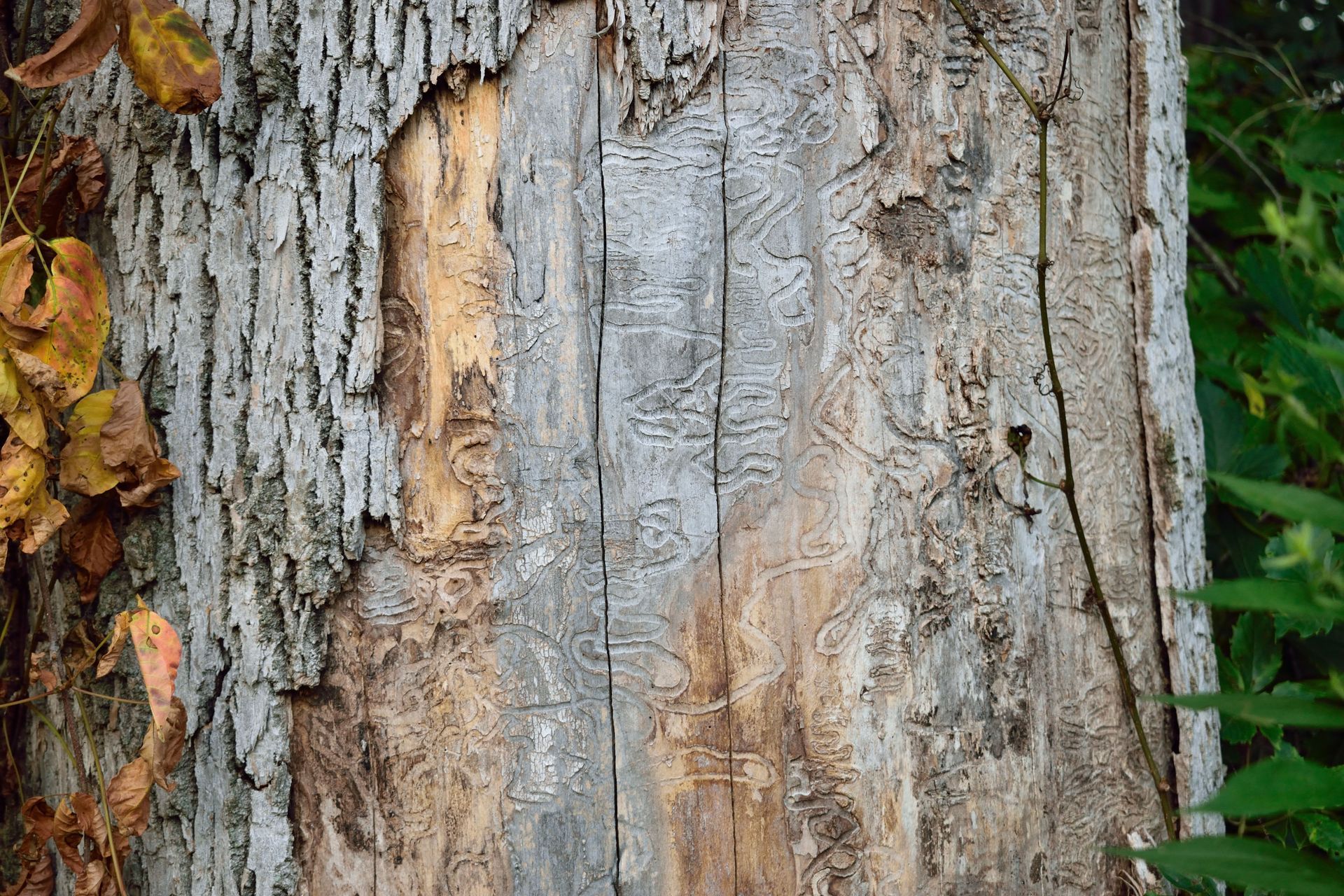
Trees can display symptoms that are difficult for an inexperienced observer to interpret. Discolored leaves, premature leaf loss, dead branches, fungal growth, and cracks in the trunk may indicate different problems. Some symptoms result from environmental stress, while others may signal disease, pest activity, root damage, or structural instability.
Professional experience helps distinguish between these possibilities. An experienced arborist can evaluate a tree's condition, examine its growing environment, and recommend appropriate treatment. Rather than automatically removing a struggling tree, a knowledgeable professional may identify a manageable problem and suggest steps to preserve it.
Understanding how trees grow is also essential to effective maintenance. Different species have different pruning requirements, growth patterns, and tolerances for environmental conditions. A technique suitable for one species may cause unnecessary damage to another. Timing matters, too, because pruning at an inappropriate time can increase stress or create opportunities for disease.
The broader market reflects the importance of these services. According to The Business Research Company, the tree services market was projected to grow from $1.3 billion in 2024 to $1.49 billion in 2025, representing a compound annual growth rate of 14.4%. This reported growth highlights the economic significance of tree maintenance and related services.
What Are the Cost Considerations When Hiring a Tree Care Company?
The cost of professional tree care varies considerably depending on the work involved. Simple pruning on a small, accessible tree generally requires less labor and equipment than removing a large tree near a building. Tree height, trunk diameter, condition, accessibility, and proximity to overhead utilities can all influence the final price.
Emergency work may cost more than scheduled maintenance because it can require immediate mobilization, additional personnel, or specialized equipment. Storm-damaged trees can also present unpredictable hazards that complicate removal. Other potential expenses include stump grinding, hauling away debris, permits, and restoring areas disturbed during the project.
Property owners should request written estimates that clearly describe the proposed work. Comparing estimates from multiple providers can help identify differences in service scope, cleanup arrangements, and included equipment. The lowest quote is not necessarily the best value if it excludes important work or comes from a provider with inadequate insurance.
It is also worth considering the long-term financial benefits of preventive maintenance. Regular inspections and appropriate pruning may help identify structural weaknesses before they cause damage. Addressing certain pest or disease problems early can sometimes reduce the need for expensive treatments or removal. Healthy trees may also be less likely to develop preventable maintenance issues when their growing conditions and structural needs are properly managed.
How Can Tree Care Companies Enhance the Value of Your Property?
Trees contribute significantly to the appearance and usability of outdoor spaces. Mature trees can provide shade, create visual interest, frame a home, and make a landscape feel more established. When maintained properly, they can complement gardens, lawns, patios, and other exterior features.
Pruning can improve a tree's shape and remove unsightly dead growth, while appropriate planting can help create a more balanced landscape. Removing hazardous or severely declining trees can also improve the property's appearance and reduce concerns for prospective buyers. These improvements may make outdoor spaces more inviting and help create a positive first impression.
Shade is another practical benefit. Strategically positioned trees can reduce direct sunlight on portions of a home during warmer months. Depending on the property's design, climate, and tree placement, this shading may help reduce cooling demands. Trees can also provide privacy and soften the appearance of nearby roads or neighboring structures.
However, maintaining property value requires thoughtful decisions. Excessive pruning, poorly planned planting, or unnecessary removal can undermine a landscape's appearance and potentially harm healthy trees. Professional advice helps owners choose maintenance strategies that support both immediate visual appeal and long-term landscape health.
Maintaining healthy trees requires consistent attention, informed decisions, and an understanding of potential hazards. From pruning and disease management to emergency removal and landscape improvement, professional services address a wide range of property needs. Experienced providers bring specialized knowledge, appropriate equipment, and safety practices that help protect people, buildings, and valuable landscape features.
Hiring qualified professionals can also provide long-term financial advantages by identifying problems early, reducing preventable risks, and preserving trees whenever practical. Meanwhile, healthy, attractive trees can improve curb appeal, provide shade, and contribute to a property's overall character. If you want to keep your property healthy and beautiful, reach out to Ted Safford & Son Arborists today!