October 12, 2026
Tree health is an integral component of our environment, influencing everything from air quality to aesthetic appeal in both rural and urban landscapes across the country. Trees face numerous threats from a variety of progressive diseases that can significantly hamper their growth, structural stability, and overall natural vitality. Utilizing professional arborist services provides property owners with the technical expertise required to evaluate complex foliage issues before permanent harm sets in across the canopy. With the right strategic intervention, affected specimens can be salvaged and continue to provide economic and environmental benefits for decades to come.
Understanding the underlying mechanisms of botanical decay is essential for maintaining robust residential and commercial landscapes. Unaddressed pathogens can quickly multiply, transforming a manageable localized infection into an overwhelming hazard that threatens surrounding vegetation. By partnering with certified tree care specialists, property managers gain access to tailored management strategies designed to eradicate biological threats while restoring natural vigor. Timely structural support and specialized systemic treatments ensure that valuable specimen trees remain safe, vibrant, and resilient components of the local ecosystem.
Diagnosing Tree Diseases
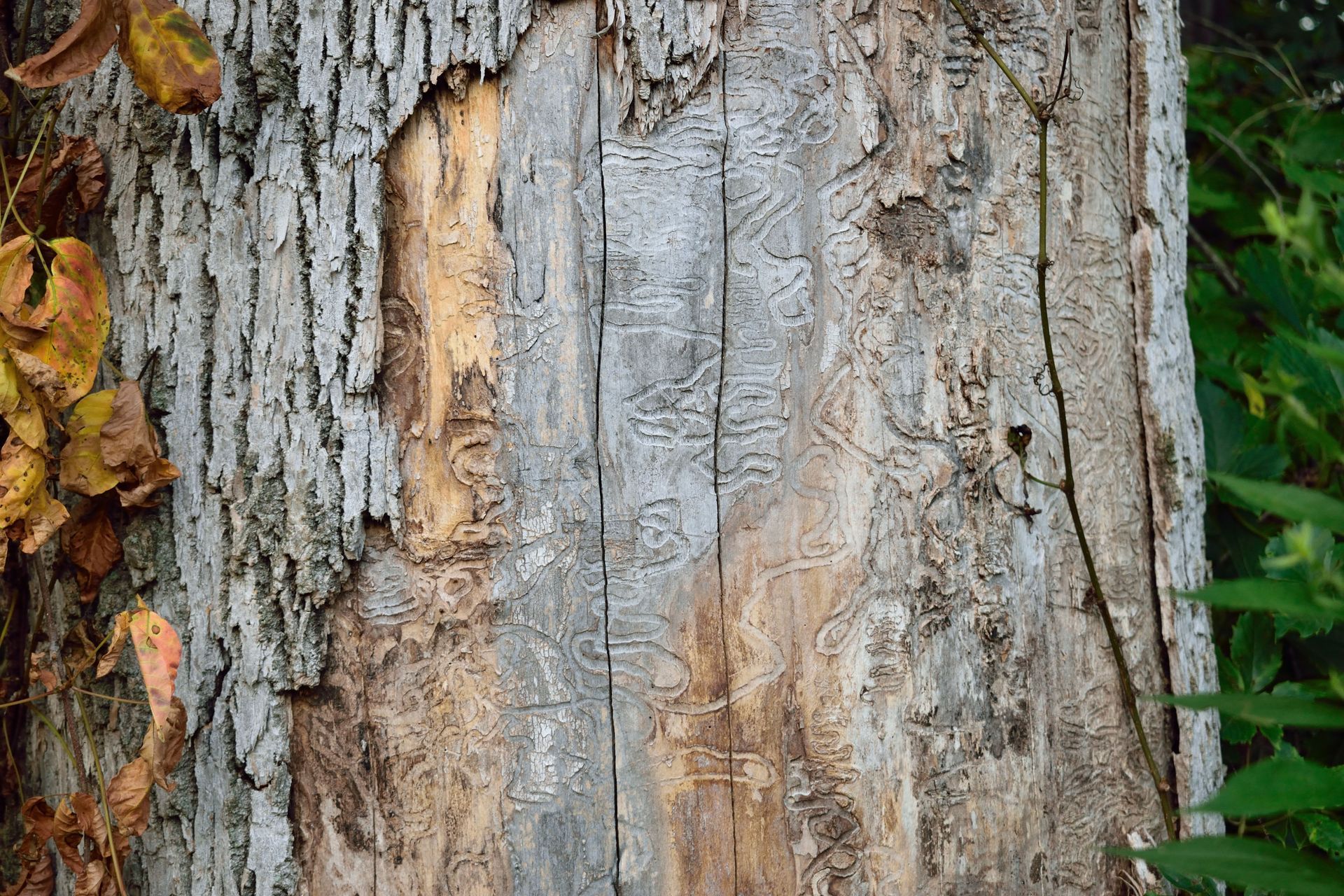
Accurate identification of biological hazards forms the absolute cornerstone of any effective plant healthcare plan. Tree diseases are broadly categorized into those caused by fungal spores, bacterial strains, and aggressive viral agents that target vulnerable cellular structures. Fungal issues like oak wilt interrupt vital fluid transport, while bacterial blights produce deep structural cankers and rapid branch dieback. Qualified specialists conduct systematic assessments, meticulously examining leaf discoloration patterns, sap weeping, and bark abnormalities to identify the exact underlying cause. Prompt professional intervention ensures accurate diagnostic results, allowing targeted treatments to begin before irreversible structural decay spreads through the trunk.
Professional diagnostic procedures extend far beyond simple visual inspection of affected leaves or surface bark. Certified tree experts utilize advanced diagnostic technology, including root zone micro-analysis, digital sonic tomography, and specialized laboratory culturing to detect internal decay mechanisms. Identifying environmental stressors such as soil compaction, nutrient imbalances, or improper planting depth helps experts address root causes rather than merely suppressing superficial symptoms. This holistic diagnostic framework prevents unnecessary chemical applications, protects beneficial soil microbes, and establishes a clear scientific baseline for monitoring future health improvements over extended periods.
Treating Infected Trees
Once an accurate diagnosis is established, specialists implement customized treatment protocols designed to suppress harmful pathogens and restore physiological balance. Modern plant healthcare utilizes targeted micro-injections, bio-fungicides, and soil-applied systemic controls that deliver therapeutic agents directly into the vascular stream of the plant. Applying chemical or organic treatments with millimeter precision minimizes environmental impact while maximizing the therapeutic impact on the target pathogen. Utilizing specialized arborist services ensures that all corrective applications are executed safely, efficiently, and in strict compliance with local environmental standards to protect non-target species.
Sustained treatment success relies on combining direct therapeutic applications with comprehensive cultural adjustments. Specialists frequently modify local soil chemistry, apply specialized organic compost blends, and install targeted deep-root watering systems to alleviate chronic physiological stress. Improving the surrounding growing environment boosts the natural defense mechanisms of the plant, allowing it to compartmentalize existing damage and produce healthy new vascular tissue. This integrated management methodology controls active infections while building long-term resilience against secondary opportunistic pests that frequently target weakened specimens.
Restoring Structural Health
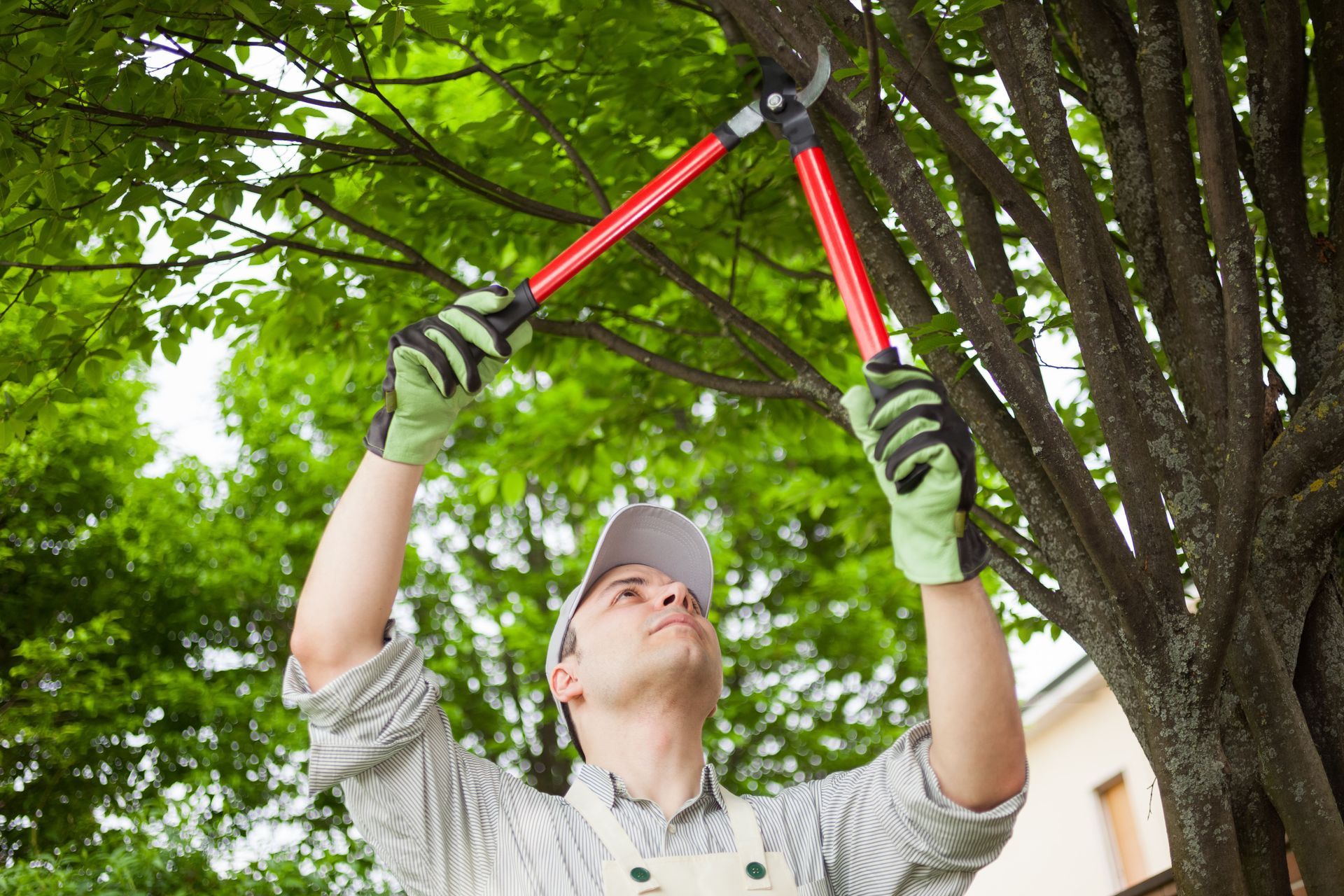
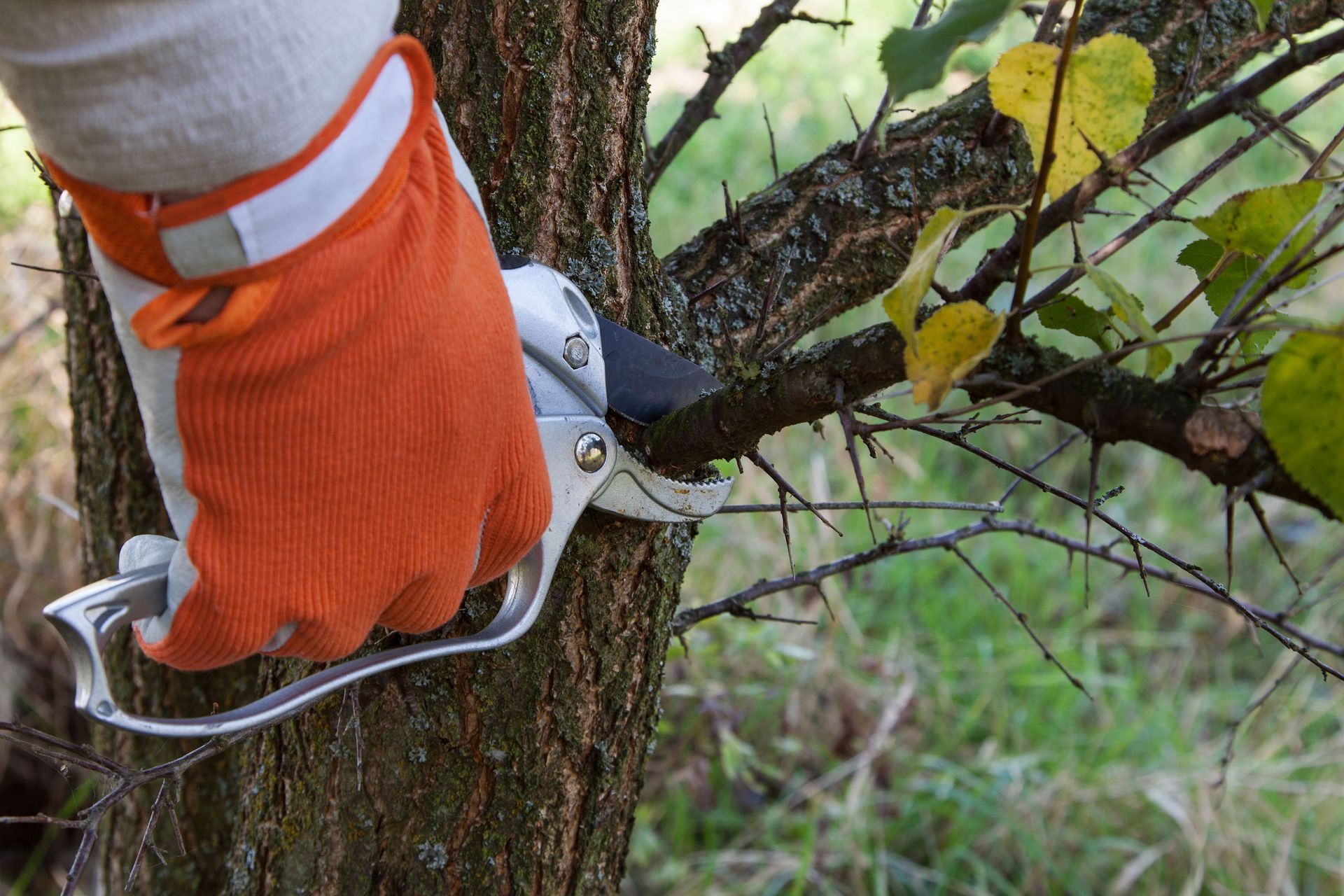
Restoring full vigor to a recovering specimen requires careful physical intervention to rebuild crown integrity and optimize nutrient absorption pathways. Strategic corrective pruning represents a primary method for mitigating disease spread, requiring the precise removal of dead, infected, or structurally compromised branches. Removing damaged limbs improves light penetration and internal air circulation throughout the canopy, creating an inhospitable microclimate for moisture-loving fungal spores. Applying precise scientific pruning cuts prevents unnecessary tissue tearing, enabling the natural seal mechanisms of the tree to cover wounds rapidly and defend against secondary infections.
Investing in arborist services for tree health not only enhances biodiversity but also contributes to maintaining the value of properties where mature trees can increase home value by 10% to 20%, according to Better Homes & Gardens. Beyond physical canopy management, comprehensive restoration plans focus on below-ground root space rehabilitation and soil structure optimization. Techniques such as radial trenching, pneumatic soil decompaction, and customized mycorrhizal inoculations revitalize depleted root zones, encouraging expansive root hair development. Reestablishing a robust, fully functioning root system allows recovering plants to absorb water and essential mineral elements efficiently, accelerating overall canopy recovery.
Evaluating Economic Benefits
Preserving established, mature specimens through proactive maintenance yields substantial financial advantages compared to the high costs associated with complete hazardous removal. Complete removal of large, declining specimens often involves heavy equipment, complex rigging, stump grinding, and costly landscape restoration. In contrast, preventative maintenance and early therapeutic intervention preserve the substantial structural equity embedded within mature landscape features over many years. Maintaining healthy, mature specimens stabilizes surrounding soil structure, manages stormwater runoff naturally, and provides valuable shade that significantly lowers seasonal cooling costs for nearby residential structures.
The presence of vibrant, fully developed trees directly enhances neighborhood aesthetics and elevates community real estate value across both private and commercial sectors. Thriving urban canopies mitigate local heat island effects, filter airborne particulate pollution, and create inviting public spaces that foster community well-being. By utilizing professional arborist services, property owners protect their long-term landscape investments while contributing directly to broader municipal urban forestry goals. Proactive healthcare management guarantees that valuable specimen plants continue delivering critical ecological, aesthetic, and financial dividends for generations to come.
Selecting Qualified Experts
Choosing the right care provider is a critical decision that directly impacts the safety, longevity, and overall health of your valuable landscape investments. Property owners should carefully evaluate candidate credentials, seeking out formal certifications from recognized industry bodies like the International Society of Arboriculture. Qualified professionals possess extensive practical training in plant biology, diagnostic procedures, and safety standards, ensuring that all recommendations align with modern scientific practices. Verifying comprehensive commercial liability insurance, worker compensation coverage, and positive client reviews provides complete peace of mind during complex management projects.
During initial consultations, property managers should ask detailed questions regarding proposed treatment methodologies, ongoing monitoring schedules, and expected recovery timelines. Reputable service providers deliver transparent written estimates, clear safety protocols, and comprehensive care plans tailored specifically to the unique conditions of your site. Establishing a strong collaborative relationship with certified specialists ensures that your landscape receives consistent, high-quality care adapted to changing seasonal demands. Professional arborist services deliver the specialized skills, specialized machinery, and scientific knowledge necessary to resolve complex physiological issues safely and effectively.
Preserving the vitality of mature landscape specimens requires dedicated expert intervention, scientific diagnostic methods, and customized long-term care management protocols. Professional arborist services play a vital role in identifying complex pathogens early, implementing targeted therapeutic solutions, and restoring degraded soil environments. Investing in routine health assessments protects your landscape assets from devastating disease outbreaks, ensuring that valuable historic and specimen trees remain safe, vibrant, and structurally sound components of your property for years to come.
To protect the structural integrity, visual beauty, and overall long-term health of your property's canopy, partner with the certified healthcare experts at Ted Safford & Son Arborists today. Scheduling a comprehensive property assessment with us allows our team to identify hidden vulnerabilities, diagnose active fungal or bacterial infections, and construct a personalized maintenance plan designed specifically for your landscape. Contact us now to discover how our specialized
arborist services can preserve your valuable landscape assets, enhance your property value, and keep your trees thriving for generations to come.